How to Choose the Right Sequin Fabric for Your Project (Dresses, Costumes & More)
Sequin fabric can turn a simple design into a showstopper. Whether you are sewing an evening gown, a stage costume, or home décor, the fabric you pick decides how the final piece looks, feels, and lasts. With so many styles on the market, the choice can feel overwhelming. This guide walks you through the key factors, and it also explains why many designers and boutique owners prefer wholesale sequin fabric for larger projects.
1. Start With Your Project Type
Every project has different needs, so begin with the end use.
Dresses: Evening gowns, prom dresses, and bridal pieces need fabric that drapes well. Look for lightweight sequins on a soft mesh or stretch base.
Costumes: Dance, theater, and cosplay costumes move a lot, so durability and stretch matter most. Flexible sequin fabric with strong stitching holds up through repeated wear and washing.
Home décor and accessories: Pillows, table runners, and bags work best with stiffer, heavier sequin fabric that keeps its shape.
2. Know the Different Types of Sequin Fabric
Stretch sequin fabric: Built on a spandex or jersey base, it moves with the body. This is perfect for fitted dresses, leotards, and dancewear.
Mesh sequin fabric: Light, breathable, and elegant, it is a favorite for overlays, sleeves, and flowing skirts.
Embroidered sequin fabric: Sequins are stitched into a pattern, which creates a luxury look for bridal and couture designs.
Reversible sequin fabric: These sequins flip to show two colors, which adds a fun interactive effect for costumes and party wear.
Velvet sequin fabric: A rich, soft base gives the sparkle extra depth, ideal for winter fashion and special events.
3. Check the Sequin Size and Shape
Sequin size changes the whole look. Small sequins, around 3mm, give a subtle, shimmering finish that suits elegant dresses. Larger sequins, 6mm and up, create bold, dramatic sparkle that works well for stage costumes and statement pieces. Round sequins are classic, while hexagon and flat shapes add a modern twist. Always check how densely the sequins are packed, because denser fabric reflects more light but also weighs more.
4. Consider Weight, Comfort, and Care
Sequins can be heavy and scratchy if the base fabric is poorly made. Check that the backing is smooth and soft against the skin, especially for garments worn for long hours. Ask about care instructions before you commit. Many sequin fabrics need gentle hand washing or dry cleaning, and some cannot handle high heat. If you are making costumes that will be washed often, choose a more durable option.
5. Match the Color and Finish to Your Design
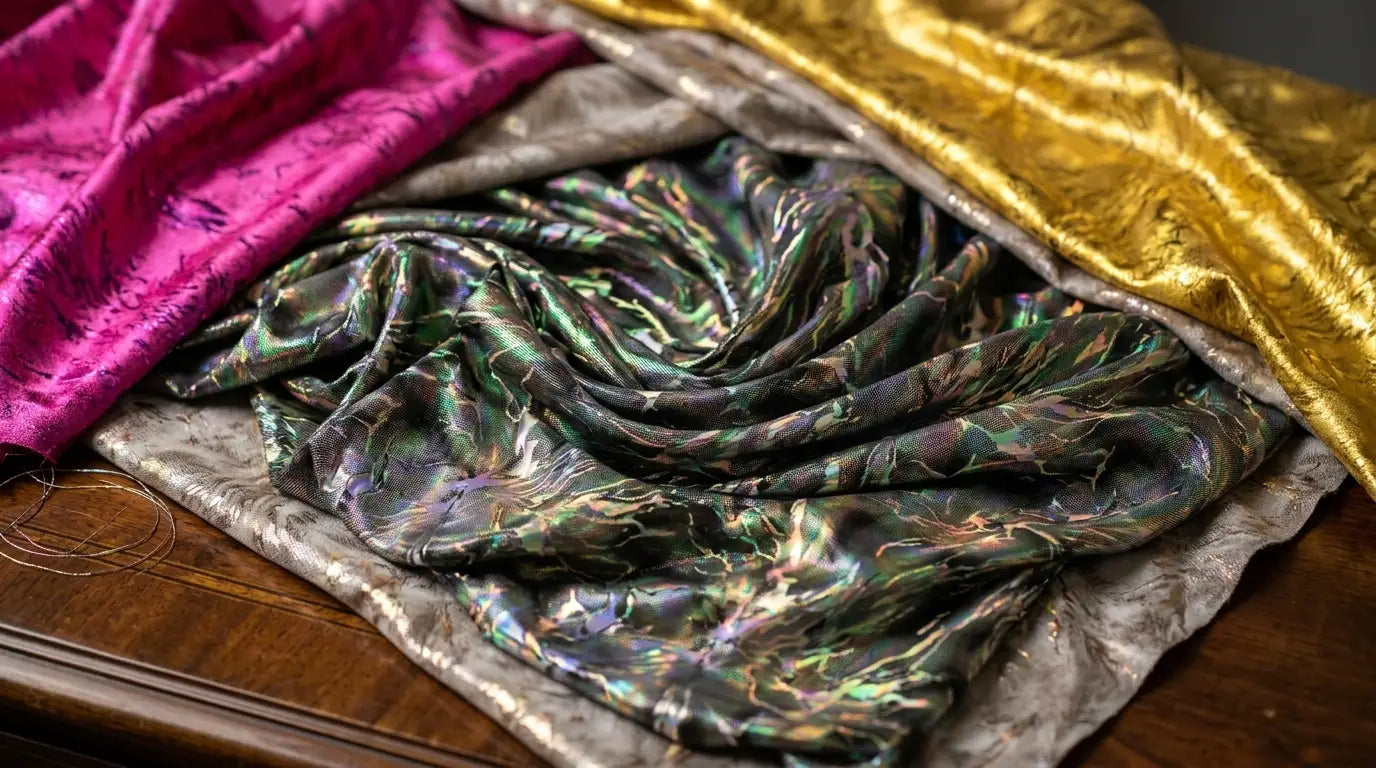
Metallic gold, silver, and rose gold remain popular for formal wear. Jewel tones like emerald and sapphire look stunning on evening dresses, while holographic and iridescent finishes suit costumes and festival fashion. Always request a swatch first, because sequin color can look different under natural light, stage lighting, and camera flash.
6. Why Buying in Bulk Makes Sense
If you run a boutique, design studio, or costume business, ordering small cuts again and again gets expensive and risks color mismatches between batches. When you buy sequin fabric in bulk, you get consistent dye lots, lower cost per yard, and a steady supply for repeat orders. This is especially useful for dance schools, theater groups, and event planners who need identical fabric for many garments.
Many fashion brands now look for wholesale sequin fabric for dresses because it lets them scale up collections without losing quality. Costume makers also benefit from sequin fabric wholesale for costumes, since large productions often need dozens of matching outfits delivered on a tight deadline.
7. Choose a Reliable Supplier
The supplier matters as much as the fabric. When comparing wholesale sequin fabric suppliers, look for these qualities:
- A wide range of colors, bases, and sequin sizes
- Low minimum order quantities
- Sample or swatch options before bulk purchase
- Clear pricing for larger quantities
- Fast shipping and good customer support
A trustworthy supplier will also be open about fabric content, width, and weight, so you know exactly what you are getting.
8. Test Before You Cut
Before cutting into your full order, test a small piece. Check how it sews, how it behaves under an iron or heat, and whether sequins shed along the edges. Use a sharp needle, a longer stitch length, and cut with the sequin face down to protect your tools and keep edges neat.
Conclusion
The right sequin fabric depends on your project, your budget, and how the finished piece will be used. Think about the base fabric, sequin size, weight, and care needs, then match them to your design goals. For businesses and frequent creators, working with trusted wholesale sequin fabric suppliers brings better pricing, steady quality, and peace of mind. Choose wisely, test first, and your next project will shine in every sense.