4-Way Stretch vs. 2-Way Stretch Fabric Explained
Choosing between 4-way and 2-way stretch fabric can decide whether a garment feels comfortable or restrictive. Both fabrics contain elastic fibers, but they behave very differently when worn, cut, and sewn. If you design clothing, run a fashion label, or source materials for resale, knowing the difference helps you pick the right textile, avoid returns, and price your products with confidence.
What Is a 2-Way Stretch Fabric?
2-way stretch fabric stretches in one direction only, usually across the width from selvage to selvage. The lengthwise direction stays firm and stable. Most 2-way stretch fabrics are woven textiles blended with a small amount of elastane or spandex, often between 2 and 5 percent.
Common examples include stretch cotton twill, stretch denim, poplin, and tailored suiting. Because the length does not give, these fabrics hold their shape well. That makes them ideal for structured garments like blazers, chinos, trousers, and fitted shirts.
What Is a 4-Way Stretch Fabric?
4-way stretch fabric stretches both crosswise and lengthwise. It moves with the body in every direction, which is why it dominates activewear. Most 4-way stretch fabrics are knits, usually a blend of polyester, nylon, or cotton with a higher spandex content, often 10 to 20 percent.
You will find it in leggings, yoga wear, swimwear, dancewear, cycling kits, and compression garments. The fabric recovers quickly after stretching, so it keeps a close fit without bagging out.
Key Differences at a Glance
Stretch direction: 2-way stretches in one direction. 4-way stretches in two, which gives full freedom of movement.
Construction: 2-way fabrics are usually woven. 4-way fabrics are typically knitted, which allows more give in both directions.
Shape retention: 2-way fabric holds structure better. 4-way fabric hugs the body and adapts to it.
Comfort and mobility: 4-way wins for high-motion activities like running, stretching, and swimming. 2-way is comfortable for everyday wear but limits deep bending.
Drape and look: 2-way fabrics look crisp and tailored. 4-way fabrics look sleek and body-contouring.
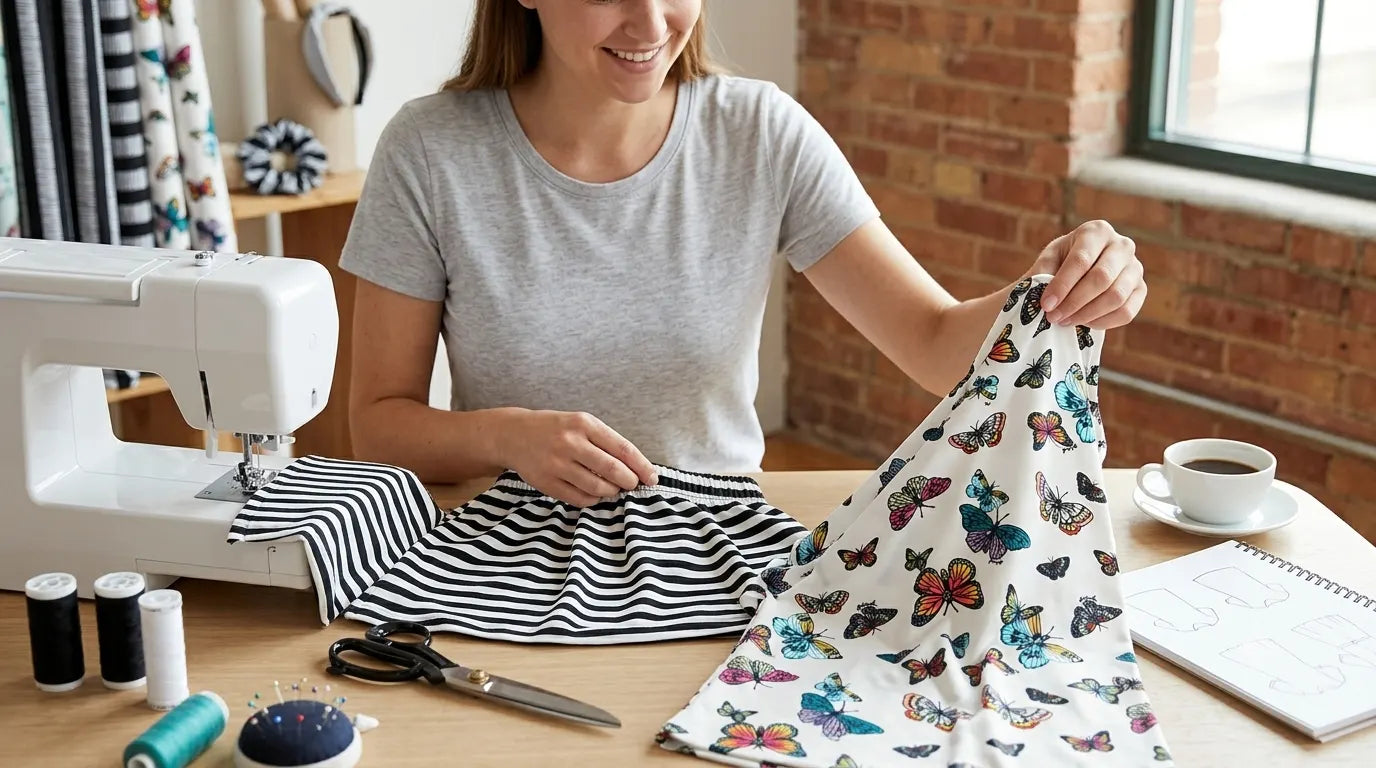
Sewing difficulty: 2-way is easier to cut and sew. 4-way needs stretch needles, flexible stitches, and more careful handling.
Which One Should You Choose?
Start with the end use of the garment.
Choose a 2-way stretch when you want structure with a touch of comfort. It suits workwear, uniforms, jeans, skirts, jackets, and trousers where clean lines matter.
Choose a 4-way stretch when movement is the priority. It suits sportswear, leggings, bodysuits, swimwear, and any design that needs a second-skin fit.
Also consider the customer. Fitness shoppers expect total flexibility, while corporate buyers expect a polished silhouette. Matching the fabric to the expectation reduces complaints and improves repeat orders.
How to Test Stretch Quality Before Ordering
Stretch quality varies widely between mills, so always test before committing to a large order. Here are quick checks you can do with a swatch:
-
Stretch the fabric in both directions and see how far it goes.
-
Release it and watch how fast it returns to its original shape.
-
Hold it up to the light to check for see-through areas when stretched.
-
Wash a sample to check for shrinkage, pilling, and color fading.
-
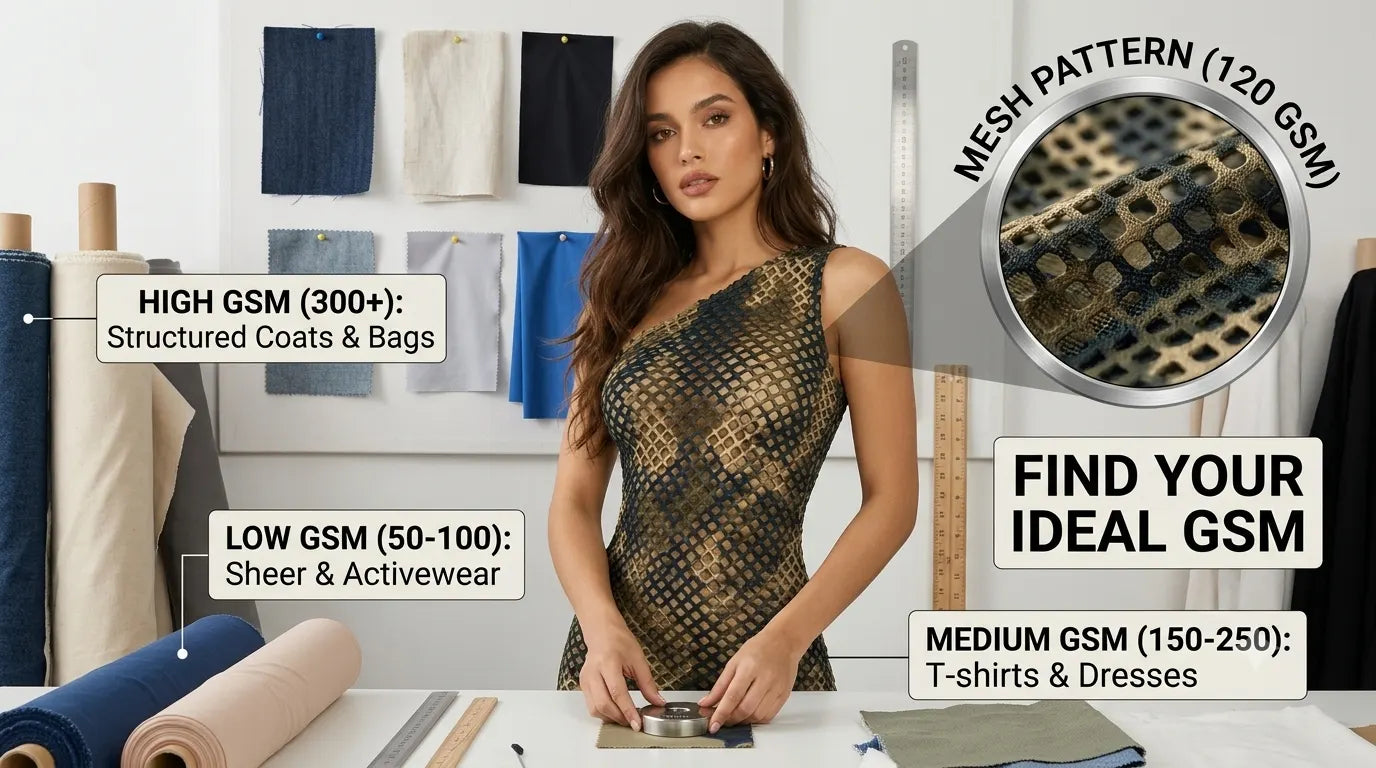
Ask for the fiber content and weight (GSM) in writing.
Good recovery matters most. Fabric that stays stretched out after wear will damage your brand reputation fast.
Sourcing Stretch Fabric in Bulk
Once you know which fabric suits your line, buying in volume lowers your cost per yard and keeps your quality consistent across production runs. Many designers look for wholesale 4-way stretch fabric because it offers better pricing, steady supply, and matching dye lots for large collections.
If you are launching an activewear or swimwear line, search for a reliable bulk stretch fabric supplier that offers swatches, clear fiber specifications, and low minimum order quantities. Brands that need performance knits often choose to buy 4-way stretch fabric in bulk to secure the same quality for every season. For blends with extra elasticity and recovery, a wholesale spandex fabric source can also be worth comparing.
When evaluating suppliers, ask about color matching, lead times, shipping, and whether they provide test reports for stretch, recovery, and colorfastness.
Conclusion
2-way stretch fabric gives you structure, easy sewing, and everyday comfort. 4-way stretch fabric gives you maximum mobility and a close, flexible fit. Neither is better in every case. The right choice depends on the garment, the activity, and what your customer expects.
Test your swatches, confirm the specifications, and work with a supplier you trust. Get those three steps right, and your finished garments will look good, feel good, and last.