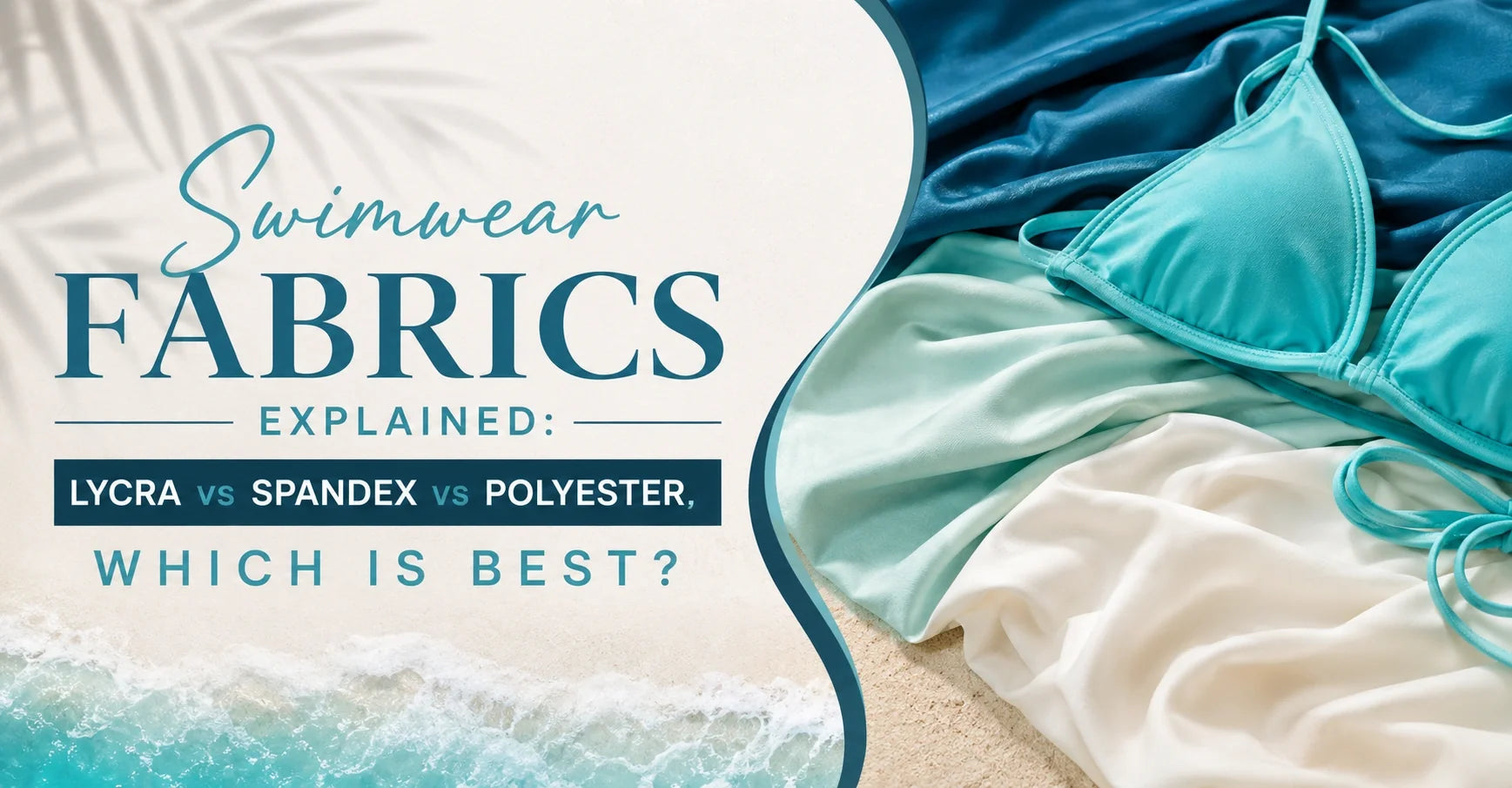
Swimwear Fabrics Explained: Lycra vs Spandex vs Polyester, Which Is Best?
Choosing the right fabric can make or break your swimwear project. Whether you are a designer, a small business owner, or a hobbyist sewer, finding a trusted fabric store online USA is the first real step toward creating swimwear that fits beautifully and lasts. In this guide, we break down the three most popular swimwear fabrics, Lycra, Spandex, and Polyester, so you can make a confident, informed choice.
Why Your Fabric Store Online USA Choice Matters
Not every fabric supplier offers quality materials built for water sports and daily wear. A reliable fabric store online USA stocks fabrics that resist chlorine damage, hold their shape, and stay vibrant wash after wash. Before you commit to any material, always check stretch recovery, colorfastness, and UV resistance. These small details separate premium swimwear from fabric that fades and sags after a few uses.
Lycra: The Gold Standard of Stretch
Lycra is a brand name for a specific type of spandex fiber, known worldwide for its incredible elasticity and shape retention. Swimwear made from Lycra hugs the body perfectly, moves with athletes, and bounces back after intense stretching. It is a favorite among competitive swimmers and high performance activewear brands because it resists sagging even after repeated exposure to chlorine and saltwater. If you want premium durability and a flawless fit, Lycra is a powerful choice.
Spandex: Powerful, Flexible, and Affordable
Spandex is the generic term for stretchable synthetic fiber, and it delivers impressive flexibility at a more accessible price point. Many designers searching to buy Spandex fabric online love its versatility across swimsuits, leggings, and bodysuits. Spandex blends easily with nylon or polyester to boost strength while keeping that signature stretch. For businesses producing in bulk, exploring Spandex Fabric Wholesale options can significantly cut production costs without sacrificing quality.
Polyester: Durable and Budget Friendly
Polyester swimwear fabric is tough, quick drying, and highly resistant to fading from sun exposure. It holds printed patterns exceptionally well, making it a smart pick for bold, colorful swimwear designs. While it offers less stretch than Lycra or Spandex, blended polyester spandex fabrics deliver the best of both worlds, strength plus flexibility. Polyester is also generally more wallet friendly, appealing to brands watching their budget closely.
Spandex Fabric Wholesale: Perfect for Bulk Buyers
If you run a swimwear line or a sewing business, buying in bulk saves serious money. Searching for Spandex Fabric Wholesale suppliers connects you with better pricing tiers, consistent fabric rolls, and faster turnaround for large orders. Always request fabric samples first to confirm stretch quality and colorfastness before placing a wholesale order.
How to Buy Fabric Online USA the Smart Way
When you decide to buy fabric online USA, prioritize sellers with verified reviews, clear fabric composition details, and generous return policies. Read fiber content labels carefully. A blend like 80 percent nylon and 20 percent spandex often performs exceptionally well for swimwear. Compare shipping times and minimum order quantities too, especially if you need materials fast for a production deadline.
Conclusion
There is no single perfect answer. Lycra delivers unmatched performance and longevity. Spandex offers remarkable flexibility at a friendly price. Polyester brings durability and vibrant prints to the table. The smartest move is visiting a dependable fabric store online USA, comparing samples, and choosing the fabric that truly matches your project goals. Whatever you pick, quality fabric always translates into swimwear that looks incredible and performs even better.